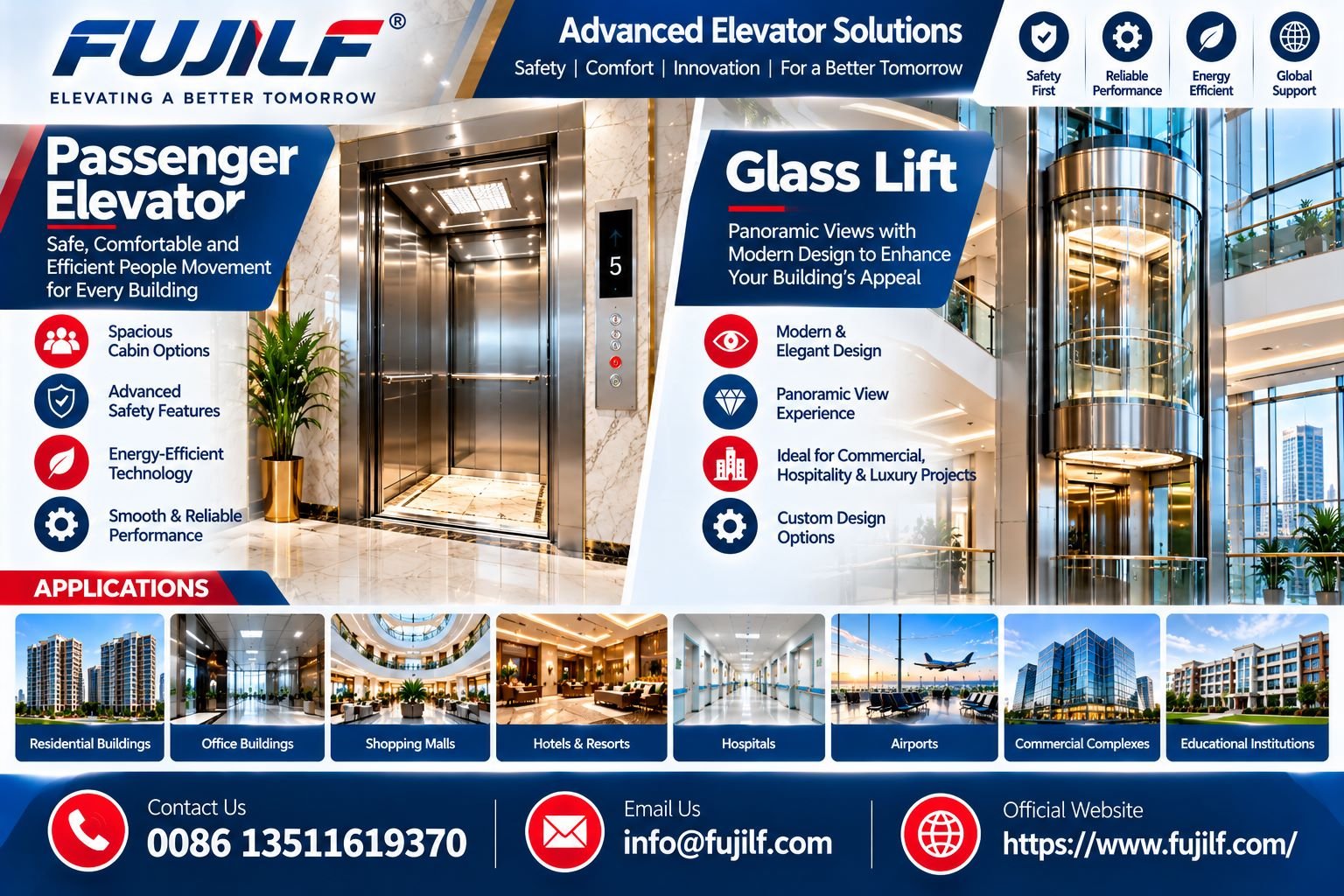
Glass architecture has become an important element of commercial and residential building design. Transparent façades, open atriums, and visually connected interiors can create attractive spaces, but they also introduce environmental considerations.
A passenger elevator must provide safe and comfortable vertical transportation while operating within its specified environmental conditions.
Meanwhile, a glass lift introduces transparent or partially transparent surfaces that can influence the cabin’s exposure to sunlight, glare, and surrounding temperatures.
For developers, balancing architectural appearance with practical environmental performance is an important part of elevator planning.
Equipment selection should consider building orientation, glazing specifications, ventilation arrangements, and applicable engineering requirements.
Why Temperature Control Matters in Passenger Elevators
Elevator cabins operate within building environments that may experience different temperature conditions.
An elevator installed inside a climate-controlled building may face different challenges from one positioned beside a sun-exposed façade.
A passenger elevator should be selected according to its intended installation environment and manufacturer specifications.
Excessive temperatures may influence passenger comfort and, under unsuitable conditions, affect temperature-sensitive electrical equipment.
Important planning considerations include:
- Installation location: Evaluating exposure to external weather and sunlight.
- Cabin ventilation: Providing suitable airflow according to equipment requirements.
- Electrical protection: Ensuring components operate within approved temperature limits.
- Passenger comfort: Considering temperature differences between the cabin and surrounding spaces.
- Maintenance access: Providing appropriate arrangements for technical inspection.
These factors help developers assess elevator performance beyond appearance and rated capacity.
How Glass Lift Design Influences Solar Exposure
A glass lift can provide attractive views of architectural features, landscaped areas, and surrounding building spaces.
However, glazing may allow solar radiation to enter the elevator cabin or shaft, depending on its location and construction.
Direct sunlight can contribute to heat buildup in certain enclosed environments.
The extent of this effect depends on glazing properties, orientation, surrounding shading, ventilation, and the broader building design.
An architectural engineering observation explains:
This principle encourages cooperation between architects, elevator engineers, and building-services specialists.
Transparent elevator systems should be assessed as part of the overall building environment rather than as isolated decorative features.
Selecting Glazing for Performance and Safety
Glazing selection can influence both the appearance and environmental characteristics of a transparent elevator.
Different glazing products have different optical and thermal properties.
However, materials selected for an elevator must also satisfy the structural and safety requirements applicable to the installation.
Safety Glazing
Glass used within elevator cabins or associated enclosures must meet the relevant approved specifications, including applicable impact and structural requirements.
Solar-Control Properties
Where technically suitable, glazing characteristics may help manage solar transmission while maintaining the intended visual appearance.
Light Transmission
The amount of visible light passing through the glass can influence cabin brightness and passenger experience.
Surface Maintenance
Glazed surfaces should remain accessible for appropriate cleaning and inspection.
Any proposed glazing modification must be assessed for compatibility with the elevator’s approved design.
Managing Glare Without Compromising Visibility
Sunlight can create glare when it enters transparent spaces at certain angles.
In a glass elevator, excessive brightness may affect passenger comfort or make displays and controls more difficult to read.
Architects should examine how sunlight reaches the elevator throughout the building’s operating conditions.
Potential design considerations include building orientation, surrounding architectural shading, and approved glazing characteristics.
However, shading elements must not interfere with elevator clearances, equipment operation, inspection access, or safety provisions.
A useful design principle states:
This approach supports practical design decisions without sacrificing the intended appearance of the installation.
Ventilation Requirements Depend on Equipment Configuration
Ventilation is an important part of elevator cabin design.
Suitable airflow helps support passenger comfort and the environmental conditions required by the equipment.
Ventilation arrangements may vary according to cabin dimensions, passenger capacity, installation location, and applicable regulations.
A conventional enclosed elevator and a panoramic installation may require different environmental assessments.
Additional cooling or ventilation equipment cannot simply be added without considering electrical capacity, structural compatibility, and manufacturer approval.
Where climate-control equipment is proposed, qualified engineers should verify that the installation remains compliant with all applicable requirements.
Elevator Energy Performance Requires a Balanced Approach
Building owners often evaluate energy efficiency when selecting transportation equipment.
For a passenger elevator, energy use depends on factors such as drive technology, operating patterns, controls, lighting, and equipment configuration.
Transparent elevator installations may also interact with the surrounding building’s cooling and ventilation arrangements.
However, glass elevators are not automatically less energy-efficient than enclosed systems.
Actual performance depends on design details and operating conditions.
A responsible evaluation considers verified technical specifications rather than relying on general assumptions about glazing.
Maintenance Considerations for Transparent Elevator Systems
A glass lift requires professional maintenance of its mechanical, electrical, and safety systems.
Its transparent surfaces may introduce additional inspection considerations.
Maintenance personnel should check relevant glazing, mounting arrangements, seals, and supporting components according to approved procedures.
Cleaning methods must be appropriate for the specified materials.
Harsh chemicals or unsuitable maintenance techniques may damage certain finishes or glazing treatments.
Building managers should maintain accurate service records and arrange inspections through qualified professionals.
Unusual cabin temperatures, condensation, or equipment faults should be assessed rather than ignored.
Choosing an Elevator for Different Building Environments
Building developers should evaluate the intended location before selecting an elevator configuration.
A hotel atrium, shopping mall, coastal property, and sun-exposed office building may present different environmental conditions.
A suitable equipment assessment should address:
- Architectural requirements: Determine the desired level of transparency.
- Environmental exposure: Assess sunlight, temperature, and surrounding conditions.
- Passenger needs: Consider capacity, accessibility, and comfort.
- Technical compatibility: Verify glazing, ventilation, and structural requirements.
- Service arrangements: Confirm appropriate inspection and maintenance support.
The preferred solution should balance architectural objectives with practical engineering performance.
Industry Perspective: Comfort and Architecture Must Work Together
Transparent elevator installations can contribute to distinctive building design, but their success depends on more than visual appeal.
Environmental performance, passenger accessibility, structural compatibility, and professional maintenance remain essential considerations.
By involving relevant engineering specialists during equipment selection, developers can identify potential environmental challenges before installation.
This coordinated approach supports transportation systems that complement their surroundings while maintaining appropriate operating conditions.
Frequently Asked Questions (FAQs)
1. What is a passenger elevator?
A passenger elevator is a vertical transportation system designed to carry people safely between building floors. It is commonly installed in residential, commercial, and public properties.
2. Can a glass lift become hot in direct sunlight?
Yes. A glass lift exposed to direct sunlight may experience increased temperatures depending on its glazing, ventilation, location, and surrounding building conditions.
3. Does a glass elevator require special glazing?
Transparent elevator components must meet applicable structural and safety requirements. Glazing selection should be verified according to the approved equipment design.
4. How can developers reduce glare inside transparent elevators?
Developers may evaluate building orientation, suitable glazing characteristics, and approved architectural shading arrangements without compromising elevator safety.
5. Are glass elevators suitable for outdoor installations?
Certain glass elevator configurations may be suitable for outdoor use when specifically designed and approved for the environmental conditions and applicable installation requirements.
Media Contact
Department: Business Enquiries & Elevator Solutions
Industry: Passenger Elevators, Glass Lifts & Vertical Transportation Equipment
Contact: 008613511619370
Email: info@fujilf.com
Official Website: https://www.fujilf.com/