Museums, art galleries, cultural centres, and heritage exhibition facilities have transportation requirements that differ from conventional commercial buildings.
These properties must accommodate visitors while supporting the careful movement of exhibition materials, documents, and approved collection-related supplies.
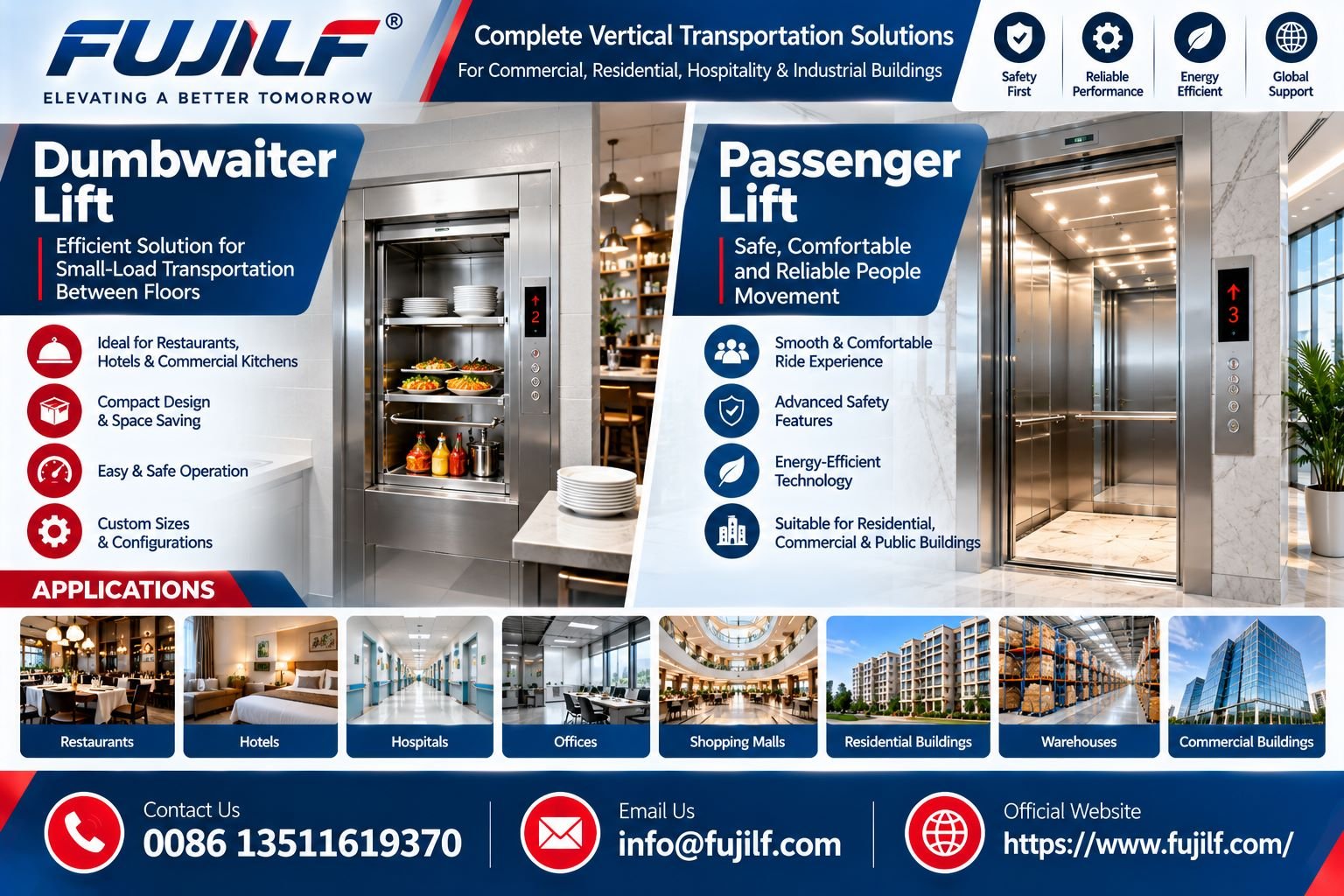
A dumbwaiter lift provides a compact solution for transporting suitable small goods between designated building levels.
Meanwhile, a passenger lift supports convenient movement for visitors, employees, researchers, and individuals requiring step-free access.
When planned appropriately, these lifting systems can help cultural institutions manage separate transportation functions within the same building.
The central objective is to protect valuable resources while creating an accessible and comfortable environment for visitors.
Why Cultural Institutions Need Specialized Lift Planning
Museums often contain exhibition galleries, storage rooms, conservation departments, administrative offices, and public facilities across different levels.
Each area may have specific transportation needs.
Visitor movement requires clear routes and accessible circulation, while collection-related activities may involve careful handling and restricted access.
A compact goods lift can support selected internal transport operations when the intended materials are compatible with its approved specifications.
A passenger elevator, however, must accommodate people safely and comfortably.
Important planning priorities include:
- Visitor accessibility: Supporting convenient movement between exhibition floors.
- Collection protection: Maintaining appropriate handling conditions for sensitive objects.
- Operational separation: Keeping restricted service activities away from public circulation.
- Space management: Selecting equipment compatible with gallery layouts.
- Equipment reliability: Providing appropriate inspection and maintenance arrangements.
These considerations help cultural institutions evaluate transportation equipment according to their particular operational needs.
Dumbwaiter Lift Systems Support Controlled Material Movement
A dumbwaiter lift is designed to transport approved goods rather than passengers.
In museums and galleries, it may be suitable for transferring small storage containers, documents, exhibition supplies, or approved educational materials.
For example, a cultural centre may need to transport archival boxes between designated storage and processing locations.
A compact goods lift could support this operation if its dimensions, rated capacity, and operating characteristics meet the requirements of the materials.
However, not every museum object is suitable for mechanical transportation.
Fragile artwork, delicate historical artifacts, and objects requiring specialized environmental protection may need alternative handling arrangements.
A useful collections-management principle explains:
This encourages institutions to consult qualified collections personnel before determining appropriate material-handling procedures.
Passenger Lift Accessibility Improves the Museum Experience
Museums and galleries are public-facing environments that should accommodate visitors with different mobility requirements.
A properly designed passenger lift provides an important connection between exhibition floors, visitor facilities, and other accessible areas.
Elevator planning should consider cabin dimensions, door clearances, control accessibility, and appropriate passenger information.
Accessible Cabin Space
Suitable cabin dimensions can support visitors using wheelchairs and other permitted mobility aids.
Clear Operating Controls
Controls should be appropriately positioned and understandable for intended users.
Accurate Floor Leveling
Correct leveling supports safer movement between elevator cabins and building landings.
Visitor Information
Visual indicators and audible announcements can help passengers identify their destinations.
An accessible elevator must also connect with suitable corridors, entrances, and exhibition routes.
Protecting Sensitive Collections During Transportation
Museums are responsible for managing objects that may be vulnerable to impact, vibration, changes in orientation, or unsuitable environmental conditions.
These factors should influence equipment selection.
A dumbwaiter lift intended for collection-related activities must be evaluated according to the characteristics of the approved loads.
Institutions should consider container stability, loading procedures, rated capacity, and suitable protection against unintended movement.
Sensitive objects should only be transported when qualified personnel have confirmed that the equipment and handling procedures are appropriate.
An important conservation observation states:
This principle emphasizes that lifting equipment forms only one part of a broader material-handling process.
Separating Visitor Areas From Collection Handling
Museums often benefit from distinguishing between public circulation and restricted operational routes.
Visitors may move through galleries, educational areas, and shared facilities.
Meanwhile, trained personnel may need access to conservation rooms, storage locations, and exhibition preparation areas.
Separate lifting arrangements can help manage these activities more effectively.
A dumbwaiter may support approved goods transportation between designated service points, while a passenger elevator serves visitors and employees.
However, these systems are not interchangeable.
Dumbwaiters must never carry people, and passenger elevators should only transport loads permitted by their approved specifications.
Clear operating procedures help prevent inappropriate equipment use.
Security and Access Control in Museum Lift Systems
Security is an important consideration in facilities managing valuable collections.
Certain storage and preparation areas may need restricted access.
Lifting equipment serving these locations should be incorporated into the building’s approved access-management arrangements.
Depending on the system, appropriate controls may help limit operation to authorized personnel.
However, electronic access restrictions must remain compatible with required safety and emergency functions.
Institutions should also maintain suitable records for sensitive collection movements where their internal procedures require them.
Security planning should support responsible handling without interfering with equipment safety.
Evaluating Lift Capacity and Installation Requirements
Equipment capacity should reflect actual transportation needs.
For a dumbwaiter lift, relevant factors include the weight and dimensions of intended goods, loading arrangements, and available installation space.
For a passenger lift, planning involves expected visitor demand, accessibility, rated capacity, and building layout.
Older cultural buildings may present structural restrictions or architectural preservation requirements.
Qualified engineers should evaluate the available space, supporting structure, and applicable regulations before installation.
Equipment selection should never rely solely on appearance or purchase price.
Maintenance Supports Cultural Facility Operations
Lifting equipment requires regular professional maintenance to support dependable operation.
Dumbwaiter inspections may include lifting mechanisms, landing doors, controls, and protective devices.
Passenger elevator servicing includes relevant drive equipment, door mechanisms, control systems, and safety components.
Museum administrators should maintain appropriate service records and arrange qualified technical support.
Equipment faults should be assessed before affected systems return to operation.
Preventive maintenance supports reliability, while contingency procedures help institutions manage unexpected equipment interruptions.
Frequently Asked Questions (FAQs)
1. What is a dumbwaiter lift used for in museums?
A dumbwaiter lift transports approved small goods between designated floors. It may support movement of suitable archival boxes, documents, and exhibition supplies.
2. Why is a passenger lift important in art galleries?
A passenger lift provides step-free transportation between exhibition levels, improving accessibility for visitors, employees, and people with mobility limitations.
3. Can a dumbwaiter transport valuable artwork?
Only when the equipment is approved for the intended load and qualified collections personnel determine that the transport method is appropriate. Highly fragile objects may require specialized handling.
4. Can visitors use a dumbwaiter lift?
No. Dumbwaiters are designed for goods transportation and must never be used to carry people.
5. What should museums consider before installing lifting equipment?
Museums should evaluate accessibility, intended loads, collection-handling requirements, structural compatibility, security arrangements, safety compliance, and maintenance support.
Media Contact
Department: Business Enquiries & Vertical Transportation Solutions
Industry: Dumbwaiter Lifts, Passenger Elevators & Specialized Lifting Equipment
Contact: 008613511619370
Email: info@fujilf.com
Official Website: https://www.fujilf.com/