Precision manufacturing is placing greater emphasis on traceability, consistent production, and data-driven quality management. As industries increasingly depend on customised plastic components, manufacturers are examining how individual mold cavities and production records influence finished-product reliability.
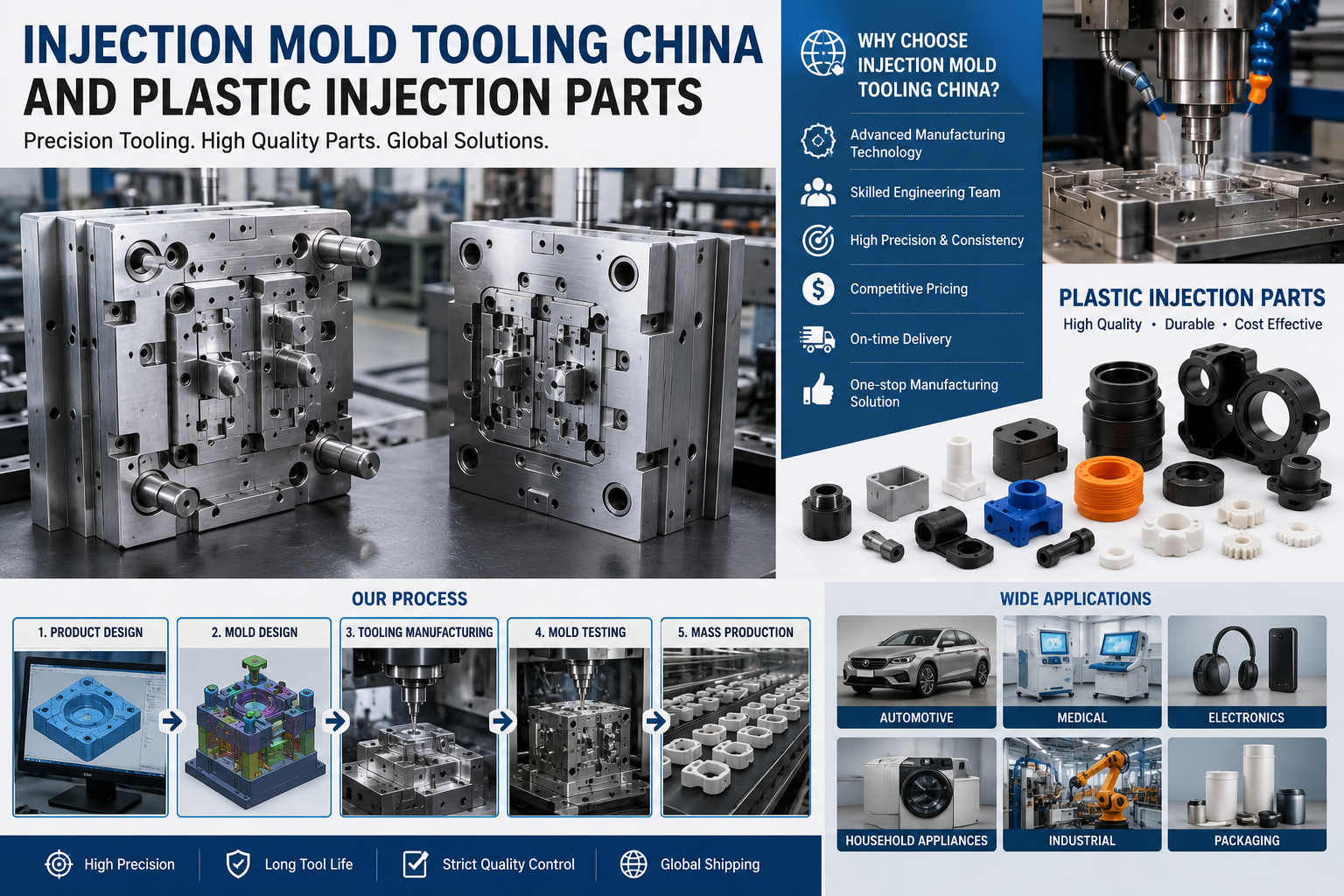
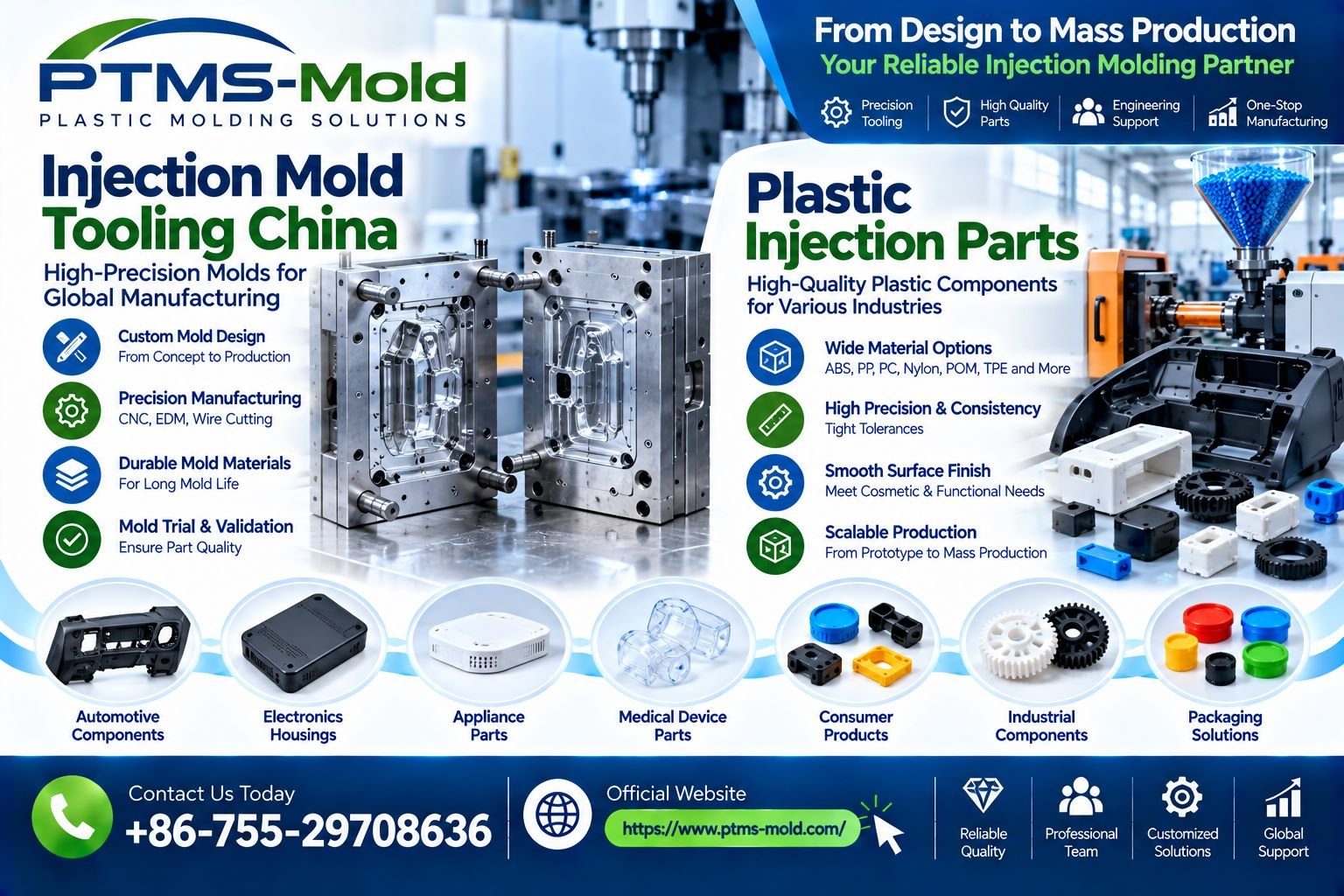
Injection Mold Tooling China offers sourcing opportunities for businesses seeking precision molds, multi-cavity manufacturing solutions, and specialised plastic production capabilities.
Meanwhile, Plastic Injection Parts are used across automotive, electronics, industrial equipment, medical technology, and consumer product applications.
A growing area of engineering attention involves identifying production variations before they affect large quantities of components.
Rather than relying exclusively on final inspection, manufacturers can use cavity identification, structured process monitoring, and documented quality checks to support repeatable production.
Why Production Traceability Matters in Injection Molding
Injection molding can produce substantial quantities of components from a single mold.
However, small variations in mold cavities, processing conditions, or material behaviour may influence individual parts.
If a manufacturing problem appears, identifying its source can become difficult without suitable production records.
Traceability helps manufacturers connect components with their manufacturing conditions and inspection results.
For example, cavity identification may help determine whether a dimensional issue affects one cavity or several.
This approach encourages more targeted troubleshooting and informed production decisions.
Understanding Injection Mold Tooling China
Injection Mold Tooling China refers to injection mold engineering and manufacturing services sourced from tooling suppliers operating in China.
These services can include mold design, precision machining, cavity development, tooling assembly, testing, and manufacturing support.
For international buyers, technical capability is only one consideration.
Clear documentation, inspection procedures, and communication of production requirements are also important.
A mold intended for high-volume manufacturing may require different quality-monitoring arrangements from tooling developed for limited production.
Buyers should establish appropriate specifications before manufacturing begins.
What Are Plastic Injection Parts?
Plastic Injection Parts are components manufactured by injecting molten thermoplastic material into a prepared mold cavity.
After cooling and solidification, the finished components are removed for inspection or further processing.
The method supports products ranging from electronic enclosures and automotive clips to appliance fittings and industrial housings.
Finished quality depends on mold geometry, material properties, machine settings, and handling procedures.
When multiple cavities produce similar components, additional monitoring may be useful to identify differences between them.
How Multi-Cavity Molds Influence Production Consistency
A multi-cavity mold contains several cavities capable of producing components during the same molding cycle.
This arrangement can improve production output for suitable products.
However, achieving consistent results across cavities requires careful engineering.
Differences in material flow, cooling behaviour, or cavity dimensions may influence finished components.
Manufacturers should examine whether each cavity produces parts within approved tolerances.
This makes cavity balancing and inspection essential considerations for multi-cavity tooling.
Why Cavity Identification Can Improve Quality Control
Cavity identification helps manufacturing teams distinguish components produced by different mold cavities.
Depending on product requirements, suitable identification features may be incorporated into the mold.
These markings can help connect inspection findings with specific tooling locations.
For example, repeated dimensional deviations associated with one cavity may indicate the need for targeted inspection.
However, cavity identification alone does not establish complete traceability.
Manufacturers also need appropriate records linking components to production batches, materials, and relevant processing conditions.
The level of documentation should reflect the product’s quality and regulatory requirements.
Comparing General Inspection and Cavity-Level Monitoring
| Quality Factor | General Production Inspection | Cavity-Level Monitoring |
| Inspection Focus | Overall production output | Components from individual cavities |
| Defect Investigation | Identifies unacceptable parts | Helps locate cavity-specific variation |
| Documentation | Production batch records | Batch and cavity identification |
| Main Benefit | General quality verification | More targeted investigation |
| Technical Requirement | Appropriate sampling and measurement | Reliable cavity identification |
| Suitable Application | Broad manufacturing quality control | Multi-cavity production requiring detailed analysis |
Both approaches can be combined within a structured manufacturing quality system.
Statistical Process Control in Plastic Manufacturing
Statistical Process Control, commonly called SPC, involves using production measurements to identify process variation.
Manufacturers may monitor critical component dimensions or relevant machine parameters.
Control charts can help distinguish routine variation from patterns requiring investigation.
However, collecting measurements does not automatically improve production quality.
The information must be accurate, reviewed appropriately, and connected to corrective action.
Where individual cavities behave differently, separate cavity-level analysis may provide more useful information than combining all measurements into one dataset.
SPC should support engineering judgment rather than replace it.
Material Traceability and Manufacturing Records
Plastic resins can vary in composition, moisture sensitivity, and processing requirements.
For certain applications, manufacturers need records identifying the material grades and batches used during production.
These records may support investigations when unexpected product behaviour occurs.
Documentation can also include approved processing instructions and relevant inspection information.
However, traceability requirements differ between ordinary consumer products and regulated or safety-sensitive applications.
Businesses should define the necessary documentation according to product specifications and contractual obligations.
Accurate records can improve communication between manufacturers and industrial customers.
Digital Inspection and Measurement Technology
Modern quality-control operations may use digital measurement systems to evaluate plastic components.
Depending on the application, suitable tools can include coordinate measuring machines, optical inspection equipment, and automated dimensional checks.
These systems can support repeatable measurement when correctly configured and calibrated.
However, automated inspection is not necessarily appropriate for every component.
Manufacturers should identify critical dimensions before selecting measurement methods.
Inspection programmes must also account for part handling, measurement uncertainty, and approved tolerances.
The objective is reliable evidence of product conformity.
Improving Supplier Communication Through Quality Data
International manufacturing relationships benefit from clear and consistent technical information.
When buyers and suppliers use agreed inspection criteria, discussions become more focused.
Instead of reporting that components are simply defective, a buyer can identify the affected dimension, inspection method, and relevant production records.
This information helps engineers investigate possible causes.
Businesses should establish procedures for reporting nonconformities, reviewing corrective actions, and approving subsequent production.
Transparent documentation can reduce unnecessary disagreements and support stronger supplier relationships.
How to Choose a Precision Injection Mold Manufacturer
Businesses sourcing injection molding services should evaluate suppliers according to their engineering and quality-management capabilities.
Important considerations include:
- Tooling Precision: Confirm machining accuracy and cavity consistency.
- Multi-Cavity Expertise: Evaluate cavity balancing and production validation.
- Traceability Systems: Review available component identification and batch records.
- Measurement Capability: Assess inspection methods and calibration procedures.
- Process Monitoring: Understand how manufacturing variation is evaluated.
- Quality Communication: Confirm corrective-action and technical reporting procedures.
A suitable supplier should explain how quality requirements will be maintained throughout production.
Frequently Asked Questions (FAQs)
1. What is Injection Mold Tooling China?
It refers to injection mold design, engineering, and manufacturing services provided by tooling suppliers operating in China.
2. What are Plastic Injection Parts?
They are plastic components manufactured by injecting molten thermoplastic material into mold cavities and allowing the material to solidify.
3. Why is cavity identification important in injection molding?
Cavity identification can help manufacturers determine which mold cavity produced a component, supporting more targeted inspection and troubleshooting.
4. What is Statistical Process Control in plastic manufacturing?
SPC is a method of analysing production measurements to monitor variation and identify process conditions requiring investigation.
5. How can buyers improve injection molding quality?
Buyers can establish clear specifications, approve inspection methods, maintain production records, review cavity performance, and require appropriate corrective actions.
Media Contact
Department: Precision Injection Mold Tooling and Plastic Component Enquiries
Contact: +86-755-29708636
Email: sales@ptms-mold.com
Official Website: https://www.ptms-mold.com/