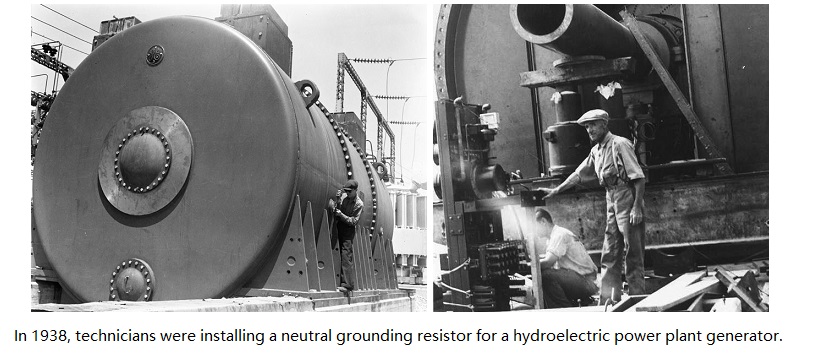
Generator Neutral Grounding Resistor: Protecting Power Systems with Orion Resistors
Electric power generators are among the most valuable assets in industrial facilities, power plants, mining operations, data centers, and utility networks. Even a minor ground fault can result in severe equipment damage, costly downtime, and safety hazards. This is why a Generator Neutral Grounding Resistor (GNGR) plays a vital role in electrical protection systems.
At Orion Resistors, we design and manufacture high-performance Generator Neutral Grounding Resistors that enhance system safety, improve equipment reliability, and ensure compliance with international electrical standards.
This guide explains everything you need to know about Generator Neutral Grounding Resistors, including their working principle, benefits, applications, selection criteria, and maintenance best practices.
What is a Generator Neutral Grounding Resistor?
A Generator Neutral Grounding Resistor (GNGR) is a specially engineered resistor connected between the neutral point of a generator and the ground. Its primary purpose is to limit ground fault current to a safe and controlled level whenever a single line-to-ground fault occurs.
Instead of allowing excessive fault current to flow directly to earth, the resistor restricts the current, protecting:
- Generator windings
- Stator insulation
- Transformers
- Switchgear
- Protective relays
- Connected electrical equipment
By controlling fault current, the resistor minimizes thermal damage while allowing protection devices sufficient time to detect and isolate the fault.
Why is Generator Neutral Grounding Important?
Ungrounded generator systems are vulnerable to transient overvoltages and difficult fault detection.
Solidly grounded systems, on the other hand, may permit extremely high fault currents capable of damaging generator windings within milliseconds.
Generator Neutral Grounding Resistors provide the ideal balance by limiting fault current without compromising protective relay operation.
Major advantages include:
- Prevents catastrophic generator damage
- Reduces arc flash energy
- Protects stator insulation
- Improves personnel safety
- Minimizes downtime
- Supports reliable relay coordination
- Extends equipment life
How Does a Generator Neutral Grounding Resistor Work?
Under normal operating conditions, virtually no current flows through the resistor because the generator phases remain balanced.
When a line-to-ground fault develops:
- The fault current attempts to flow through the neutral.
- The Generator Neutral Grounding Resistor limits the current.
- Protective relays detect the controlled fault current.
- Circuit breakers isolate the faulty circuit.
- Generator damage is significantly reduced.
This controlled response allows maintenance teams to identify and resolve faults before they escalate into expensive failures.
Key Components of a Generator Neutral Grounding Resistor
A typical Generator Neutral Grounding Resistor consists of:
| Component | Function |
| Stainless Steel Resistor Elements | Dissipate fault energy safely |
| Insulated Support Structure | Provides mechanical stability |
| Weatherproof Enclosure | Protects against environmental conditions |
| Temperature Monitoring | Detects overheating |
| Current Transformer (Optional) | Supports relay protection |
| Terminal Connections | Secure electrical installation |
High-quality materials ensure long service life even under demanding industrial environments.
Practical Example
Consider a 15 MW industrial generator supplying a manufacturing facility.
Without a Generator Neutral Grounding Resistor:
- Ground fault current exceeds several thousand amperes.
- Generator windings experience severe thermal stress.
- Repair costs may reach hundreds of thousands of dollars.
- Production stops unexpectedly.
With a properly sized Generator Neutral Grounding Resistor from Orion Resistors:
- Ground fault current is limited to a safe level.
- Protective relays operate correctly.
- Generator insulation remains protected.
- Downtime is minimized.
- Maintenance costs decrease significantly.
This simple addition can save both equipment and production losses.
Applications of Generator Neutral Grounding Resistors
Generator Neutral Grounding Resistors are widely used in:
- Power generation plants
- Thermal power stations
- Hydroelectric plants
- Wind farms
- Solar power facilities
- Oil and gas installations
- Mining operations
- Chemical processing plants
- Steel manufacturing
- Cement industries
- Marine power systems
- Data centers
- Industrial manufacturing plants
Wherever generators supply critical loads, proper neutral grounding becomes essential.
Generator Neutral Grounding Resistor vs Solid Grounding
| Feature | Generator Neutral Grounding Resistor | Solid Grounding |
| Fault Current | Limited | Very High |
| Equipment Protection | Excellent | Moderate |
| Arc Flash Risk | Lower | Higher |
| Generator Damage | Minimal | Significant |
| Relay Coordination | Better | Limited |
| Maintenance Cost | Lower | Higher |
| System Reliability | High | Moderate |
For generator applications, resistance grounding is generally considered the safer and more reliable solution.
How to Choose the Right Generator Neutral Grounding Resistor
Selecting the correct resistor requires careful engineering evaluation.
Key parameters include:
- Generator voltage
- Rated fault current
- Fault duration
- Continuous or intermittent duty
- System grounding method
- Environmental conditions
- Indoor or outdoor installation
- IP protection rating
- Thermal capacity
- Applicable standards
Working with an experienced manufacturer like Orion Resistors ensures the resistor matches your generator’s electrical characteristics and operational requirements.
Maintenance Best Practices
Although Generator Neutral Grounding Resistors require relatively little maintenance, periodic inspections improve long-term reliability.
Recommended practices include:
- Inspect resistor elements annually.
- Tighten electrical connections.
- Remove dust and contaminants.
- Check enclosure integrity.
- Verify insulation resistance.
- Test protective relays.
- Examine current transformers.
- Monitor operating temperatures.
- Replace damaged resistor elements immediately.
Preventive maintenance significantly reduces unexpected failures.
Why Choose Orion Resistors?
Choosing the right manufacturer is just as important as selecting the right resistor.
Orion Resistors offers:
- Custom-engineered Generator Neutral Grounding Resistors
- Premium stainless steel resistor elements
- High thermal performance
- Reliable fault current limitation
- Compliance with international standards
- Robust weatherproof enclosures
- Fast technical support
- Customized solutions for diverse industries
- Rigorous quality testing
- Proven expertise in electrical protection systems
Our engineering team works closely with customers to deliver dependable grounding solutions that maximize safety and system reliability.
Frequently Asked Questions (FAQs)
What is the purpose of a Generator Neutral Grounding Resistor?
It limits ground fault current, protects generator windings, reduces equipment damage, and enhances electrical safety.
How does a Generator Neutral Grounding Resistor improve safety?
By restricting fault current, it lowers arc flash energy, prevents excessive thermal stress, and allows protective relays to isolate faults effectively.
Can every generator use a neutral grounding resistor?
Most medium- and high-voltage generators benefit from resistance grounding. The resistor must be engineered to match the generator’s voltage, fault current, and system requirements.
How often should a Generator Neutral Grounding Resistor be inspected?
Routine inspections are generally recommended annually or during scheduled maintenance outages, with additional checks in harsh operating environments.
What industries commonly use Generator Neutral Grounding Resistors?
Power generation, oil and gas, mining, marine, manufacturing, renewable energy, utilities, data centers, and heavy industrial facilities rely on these resistors to protect critical generator assets.
Final Thoughts
A Generator Neutral Grounding Resistor is an essential component for protecting generators from damaging ground faults while improving the safety and reliability of electrical power systems. By limiting fault current, enhancing relay coordination, and reducing maintenance costs, it helps organizations safeguard valuable equipment and maintain uninterrupted operations.
With decades of engineering expertise, Orion Resistors delivers dependable Generator Neutral Grounding Resistors designed to meet demanding industrial applications. Investing in the right grounding solution today can prevent costly failures tomorrow, ensuring your generators operate safely, efficiently, and reliably for years to come.
Contact Number – +86-312-5959618
Email ID – info@orionresistors.com
Official Website – https://www.orionresistors.com